Cataract surgery
A cataract is a cloud in the lens of the eye. Surgery replaces that lens with a clear one, and for most people it is a short operation with a quick recovery.

Only surgery can clear a cataract. Glasses cannot.
The operation is quick, with numbing drops or a local anaesthetic.
Most people go home the same day.
What a cataract is
The lens sits just behind the pupil and focuses light onto the retina. In a young eye it is perfectly clear. With age, and sooner with diabetes, injury or steroid use, its proteins clump together and it turns cloudy.
You notice it slowly. Colours fade towards yellow, headlights glare, print needs more light, and your glasses seem to stop working.
How the operation works
- 1
Numbing
Drops or a local anaesthetic mean you feel no pain.
- 2
A tiny cut
A cut of only a few millimetres is made at the edge of the cornea.
- 3
The cloud is broken up
A fine ultrasound probe breaks the clouded lens into fragments and draws them out. This is phacoemulsification.
- 4
A clear lens goes in
A folded artificial lens, an IOL, is placed where the old lens sat, and opens out.
- 5
Rest
The small cut usually seals itself. You rest, and then go home.
Choosing your lens
The lens you are given matters as much as the operation. Which one suits you is decided after your eye is measured, and by how you spend your day.
Monofocal
Sharp vision at one distance, usually far. You will need reading glasses for near work.
Multifocal
Focuses at several distances, so it can lessen your need for glasses altogether.
Toric
Corrects astigmatism too, for a crisper picture at the distance it is set for.
Before and after
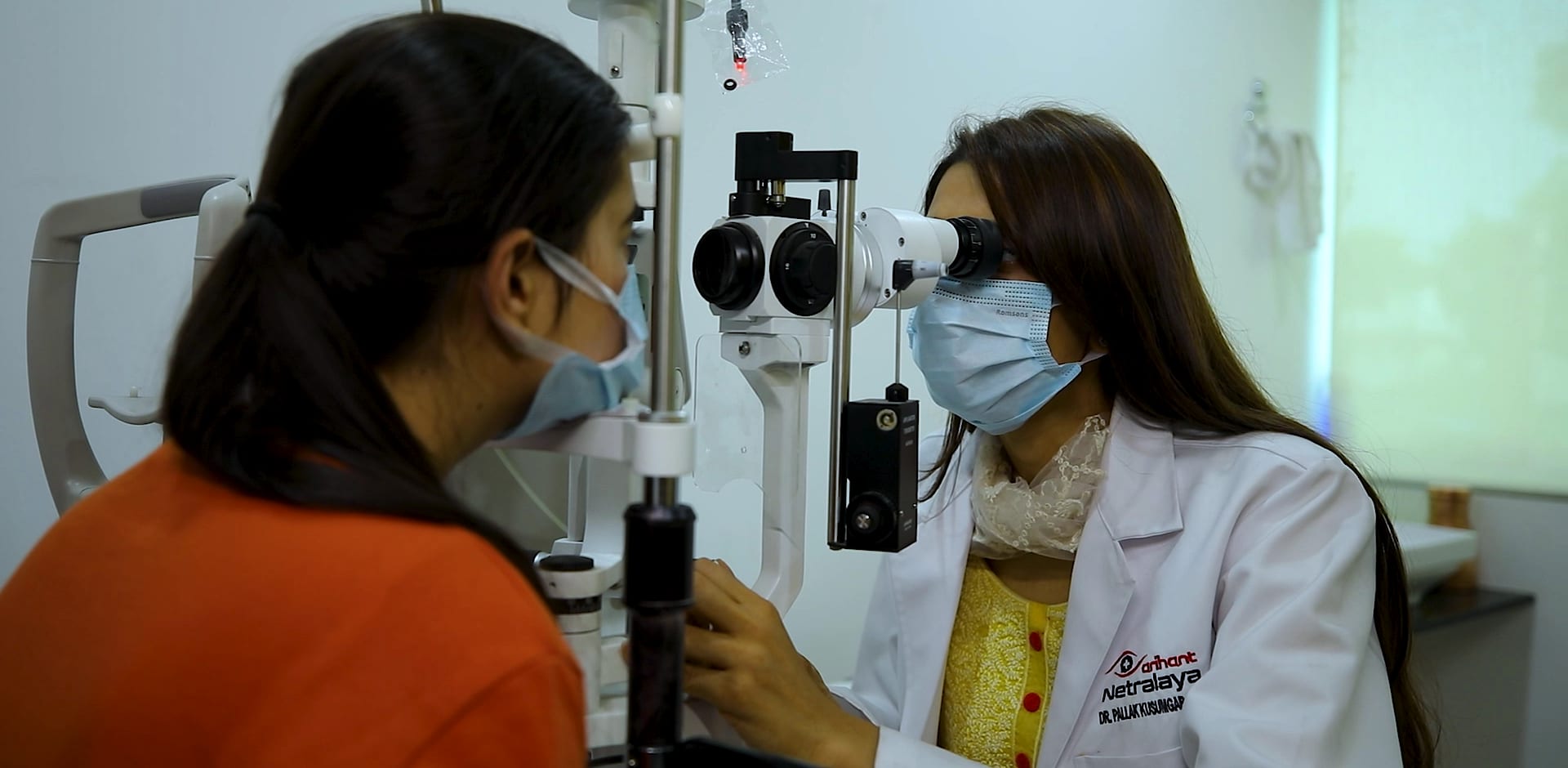
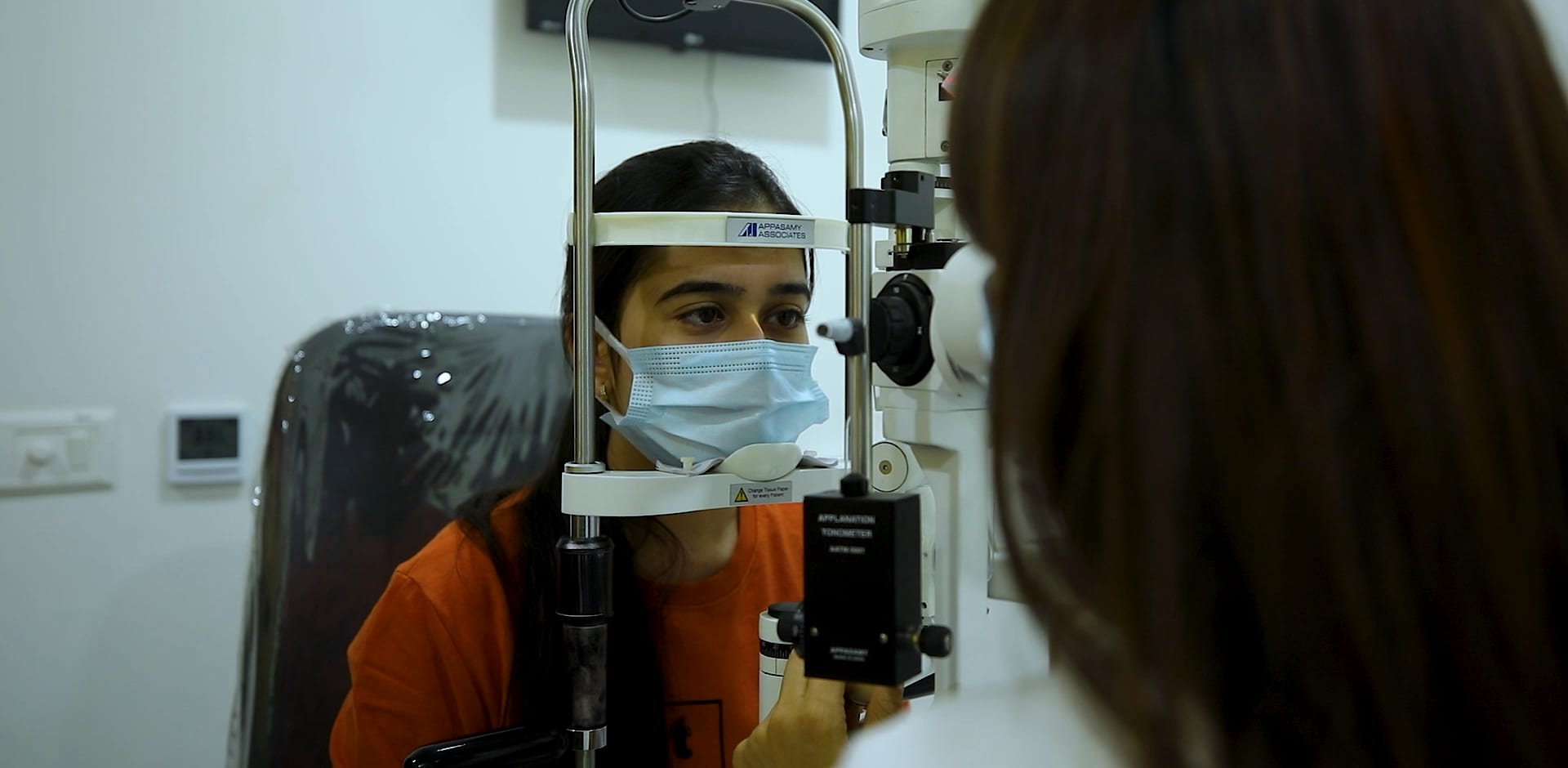
Before surgery we examine the eye at the slit lamp and photograph the cells that line the cornea, so your surgeon knows how much reserve the cornea has.
- Drops for a few weeks, to heal the eye and guard against infection.
- A check the next day, and again as the eye settles.
- Do not rub the eye. Your surgeon will tell you what else to avoid.
- Vision usually clears over the first few days.
Keep reading.
Book an eye consultation.
Ask for a time, or leave your number and we will call you.
Or call 1800 210 0108, toll-free.
Quick answers.
Is cataract surgery painful?
No. The eye is numbed with drops or a local anaesthetic, so you feel pressure and light, not pain.
Will I need glasses afterwards?
Often for reading, with a monofocal lens. A multifocal lens can lessen that need. Your surgeon will explain what to expect with the lens chosen for you.
Can a cataract come back?
The lens that was removed cannot. Months or years later the thin membrane behind the new lens can turn hazy. A YAG laser clears it in minutes, without a cut.
Do I have to wait until the cataract is ripe?
No. The right time is when it gets in the way of the things you want to do, such as reading, driving or seeing the stairs.
Pictures not taken by the hospital: Vitaly Gariev, Unsplash.