Freedom from glasses
Short-sightedness, long-sightedness and astigmatism are errors of focus. They can be corrected by reshaping the cornea, or by placing a lens inside the eye.
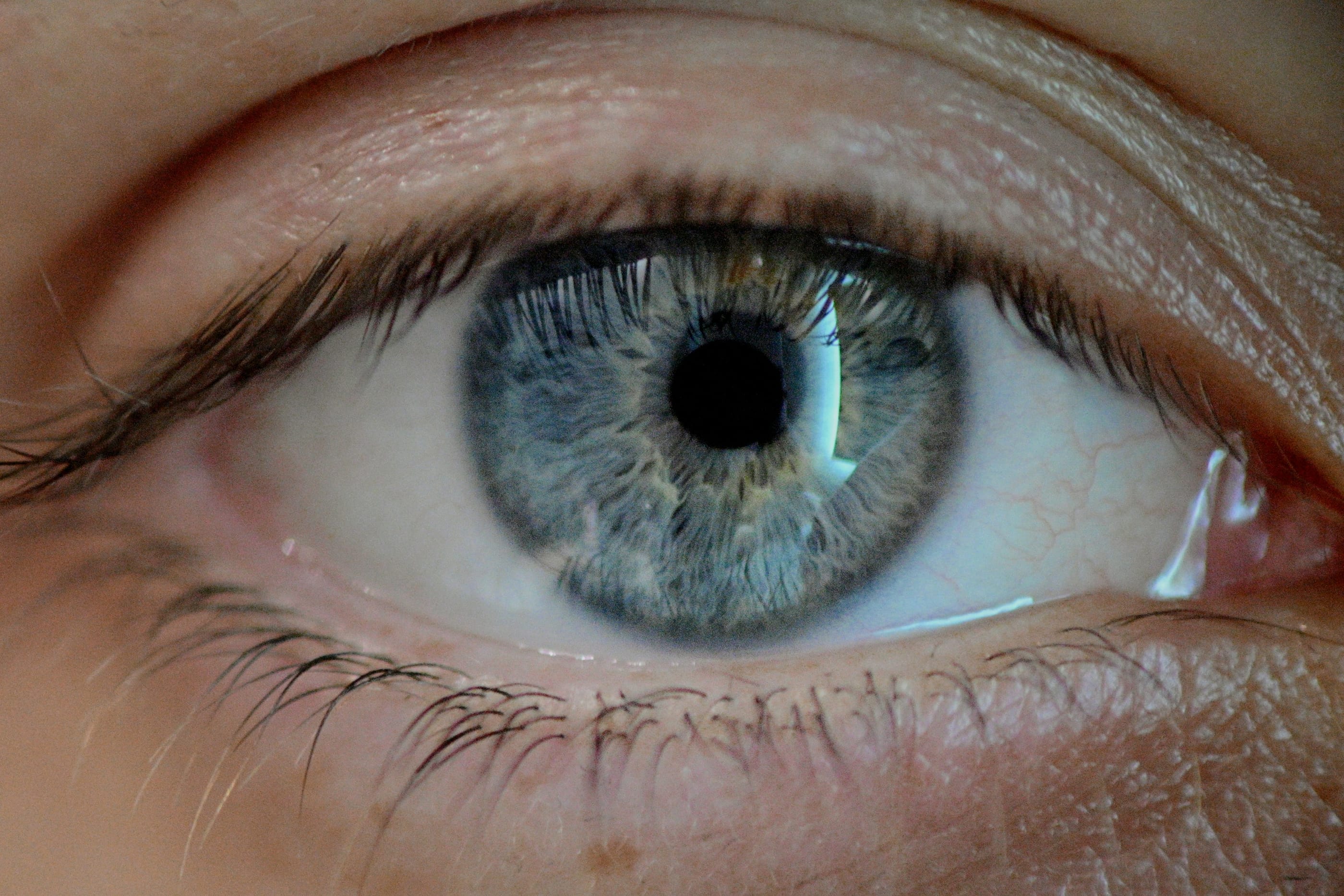
Three operations, each for a different kind of eye.
The choice is made by tests, not by preference.
Not everyone is suited, and we say so.
Three ways to correct focus
LASIK
A thin flap of the cornea is lifted, a laser reshapes the layer beneath, and the flap is laid back. Recovery is quick.
PRK
The laser reshapes the surface directly, with no flap. It can suit thinner or more fragile corneas, and healing takes a little longer.
ICL
A thin implantable collamer lens is placed inside the eye, behind the iris. It is used for high powers, or for corneas that should not be reshaped.
Are you suited?
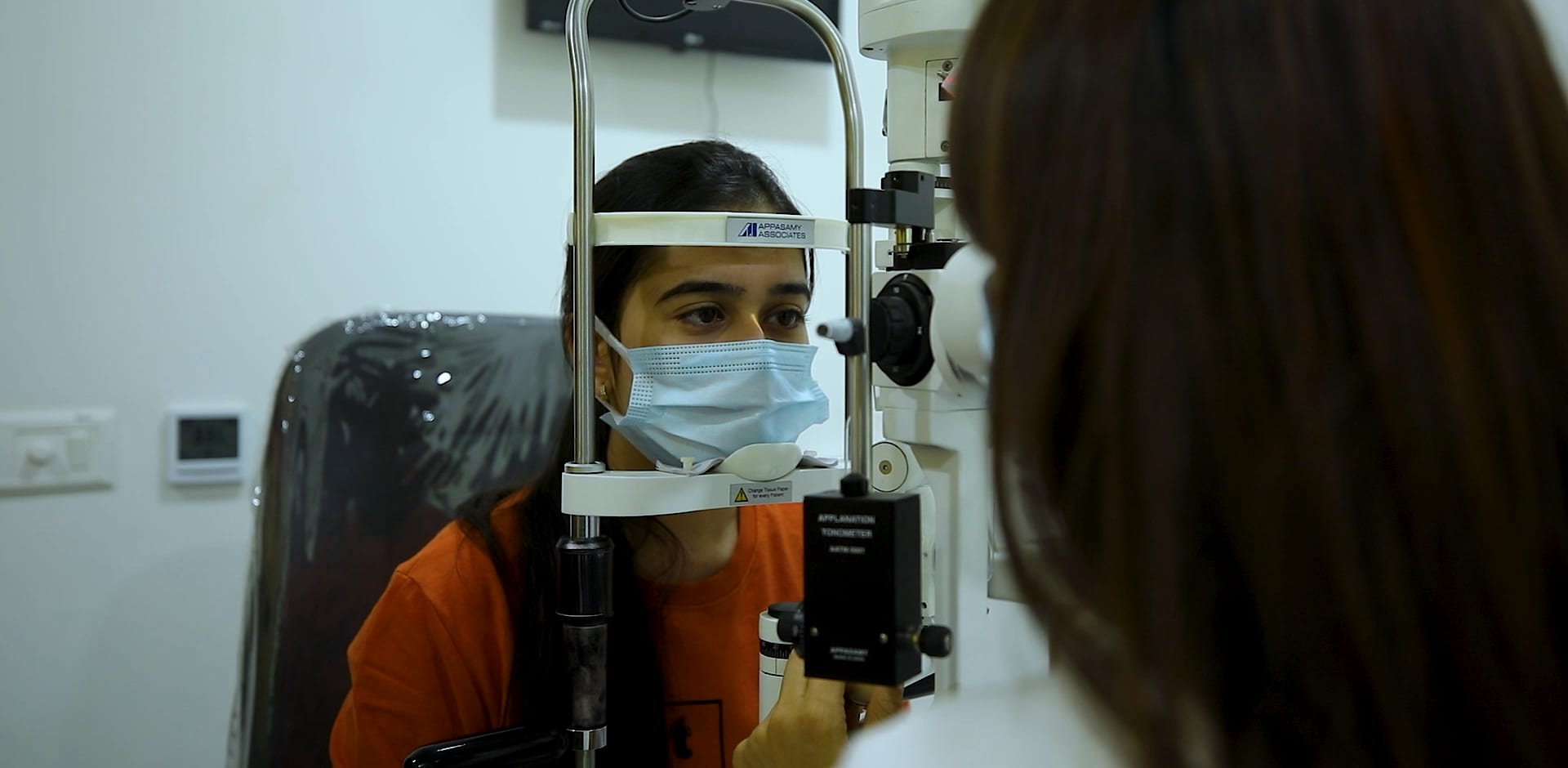
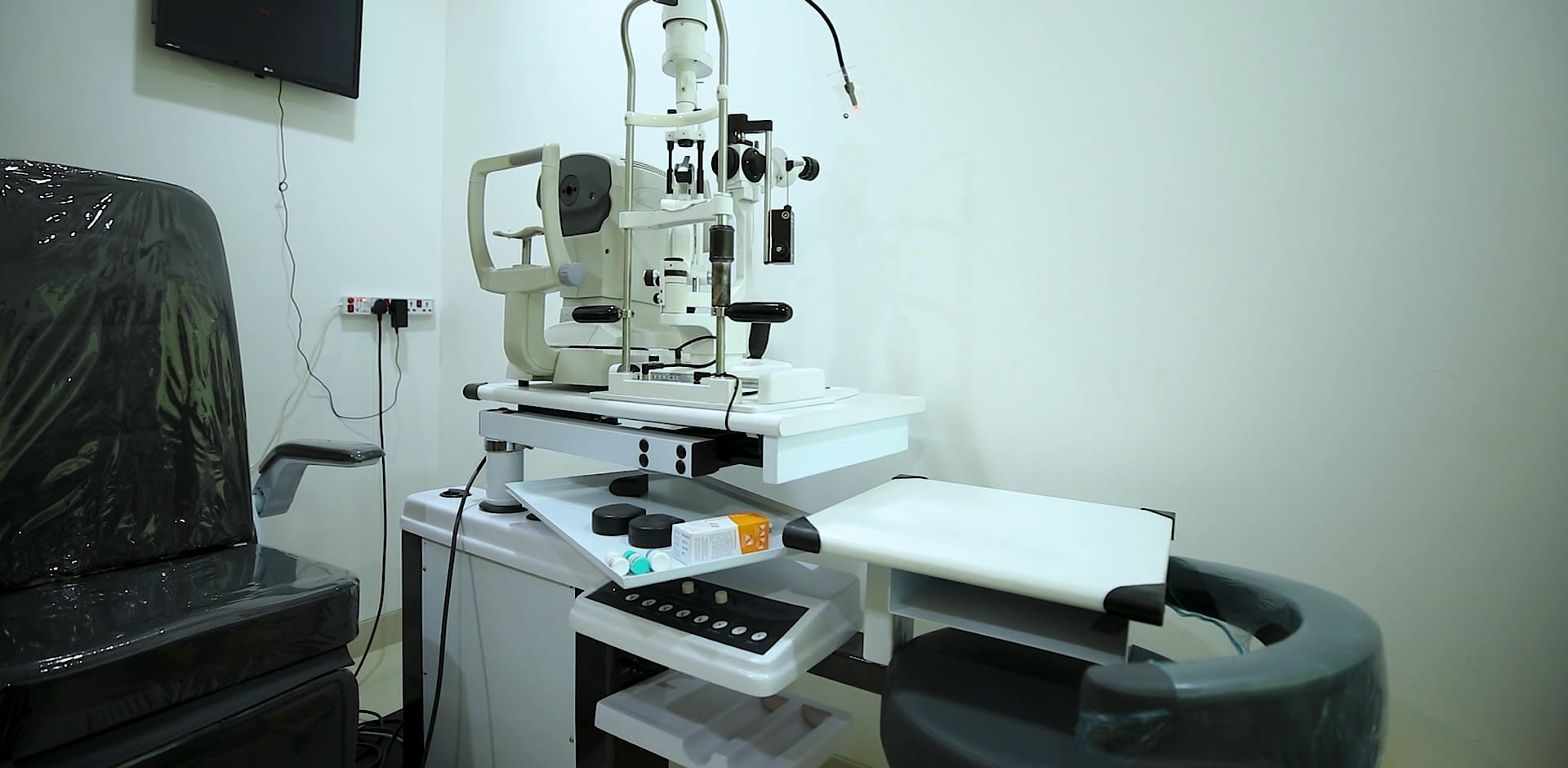
A glasses-free result starts with a careful look at the eye. We check that your prescription has been stable, and map the shape and thickness of your cornea. We check the surface of the eye for dryness, and count the cells that line the cornea.
- A prescription that has not changed for a while.
- Corneas that are thick enough and regular enough to reshape.
- A healthy eye surface, without much dryness.
- No condition, such as keratoconus, that makes reshaping unsafe.
When the answer is no
Some people are not suited to any of these operations, and some are better suited to another. If surgery is not right for you, we say so, and tell you what will serve you better.
Keep reading.
Book an eye consultation.
Ask for a time, or leave your number and we will call you.
Or call 1800 210 0108, toll-free.
Quick answers.
Is laser surgery painful?
You are given numbing drops. Most people feel pressure and see lights, not pain, and the laser itself works for seconds. The eyes can feel gritty and watery for a day or so.
Which is best, LASIK, PRK or ICL?
None is best for everyone. The thickness and shape of your cornea and the size of your prescription decide it.
Will I never need glasses again?
Many people do not need them for distance. Reading glasses are still usually needed in the mid-forties and after, whatever is done to the eye.
What are the risks?
Dryness, glare at night and, rarely, a result that needs a touch-up or a further procedure. Your surgeon will explain the risks that apply to your eye before you decide.
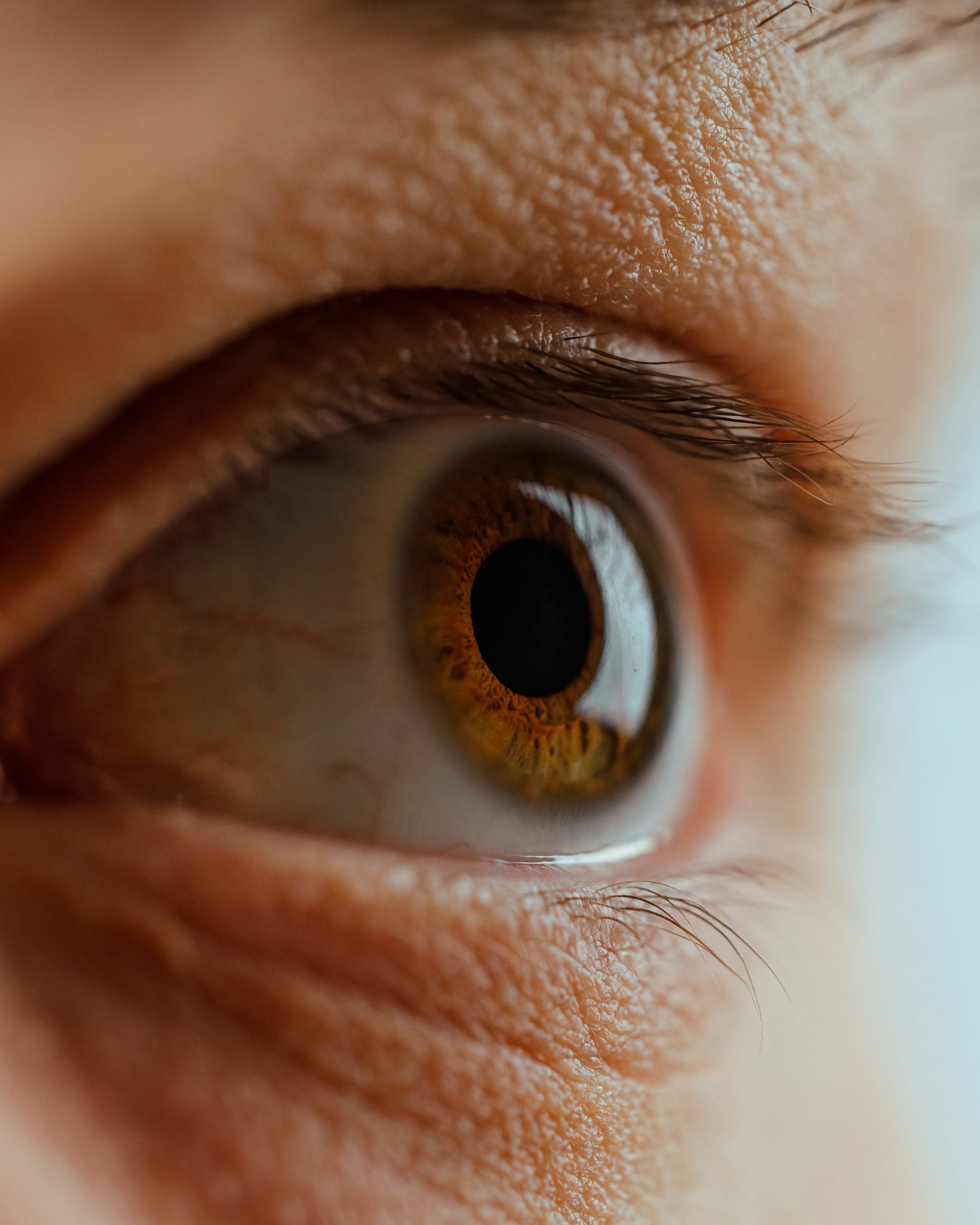
Pictures not taken by the hospital: Andrew Lvov, Unsplash.