Retina and diabetic eye care
The retina is the light-sensing layer at the back of the eye. Its diseases can take sight silently and for good, so the aim is to find them early.
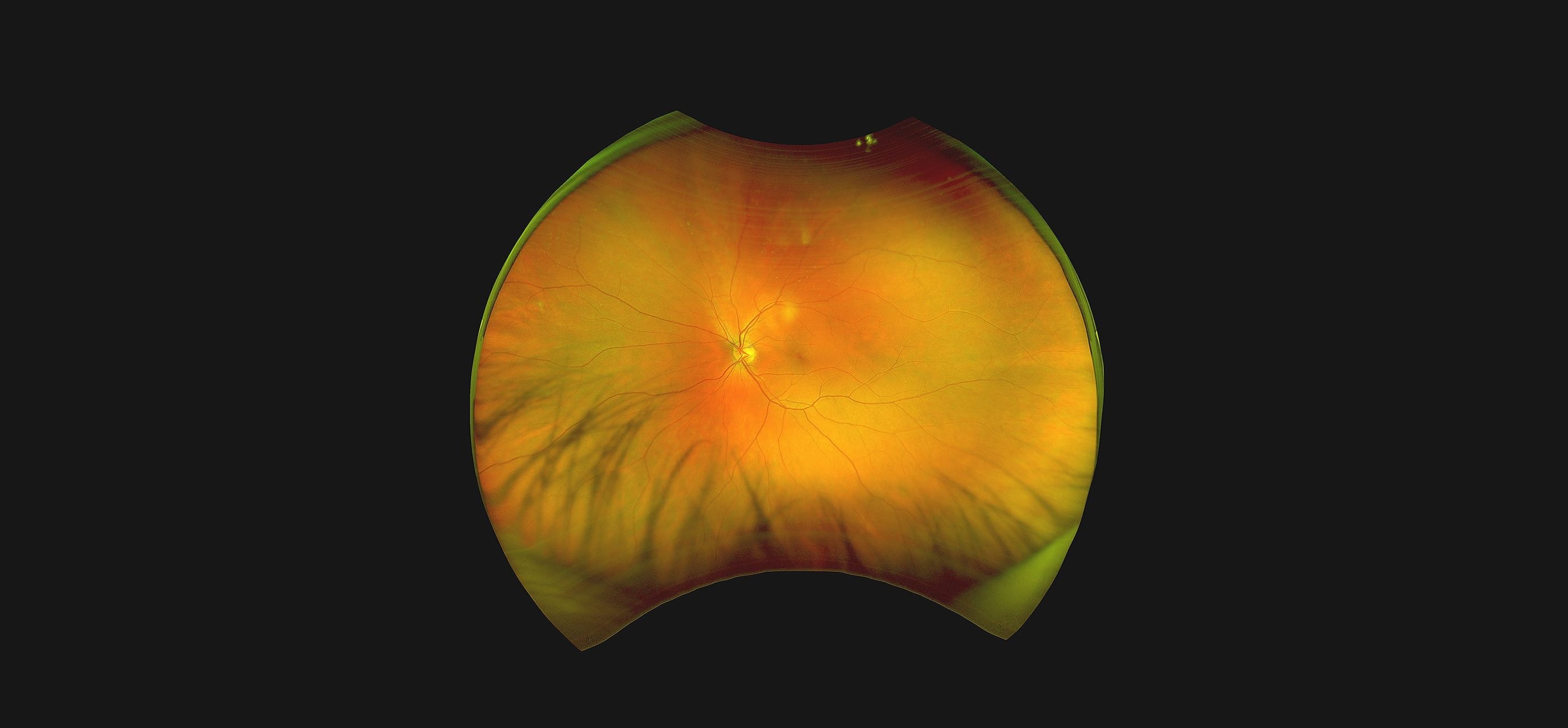
If you have diabetes, your retina needs a yearly look, even if you see well.
A photograph and an OCT scan find trouble before you feel it.
Laser can seal leaking vessels and protect what you have.
What can go wrong
Diabetic retinopathy
High sugar damages the tiny vessels of the retina. In the early stages there is no symptom at all.
Macular disease
The centre of the retina, which reads and recognises faces, swells or wears. Lines bend, and a blur or dark patch sits in the middle.
Retinal detachment
The retina lifts from the back of the eye. Flashes, a shower of floaters and a shadow like a curtain are the warning.
How we look
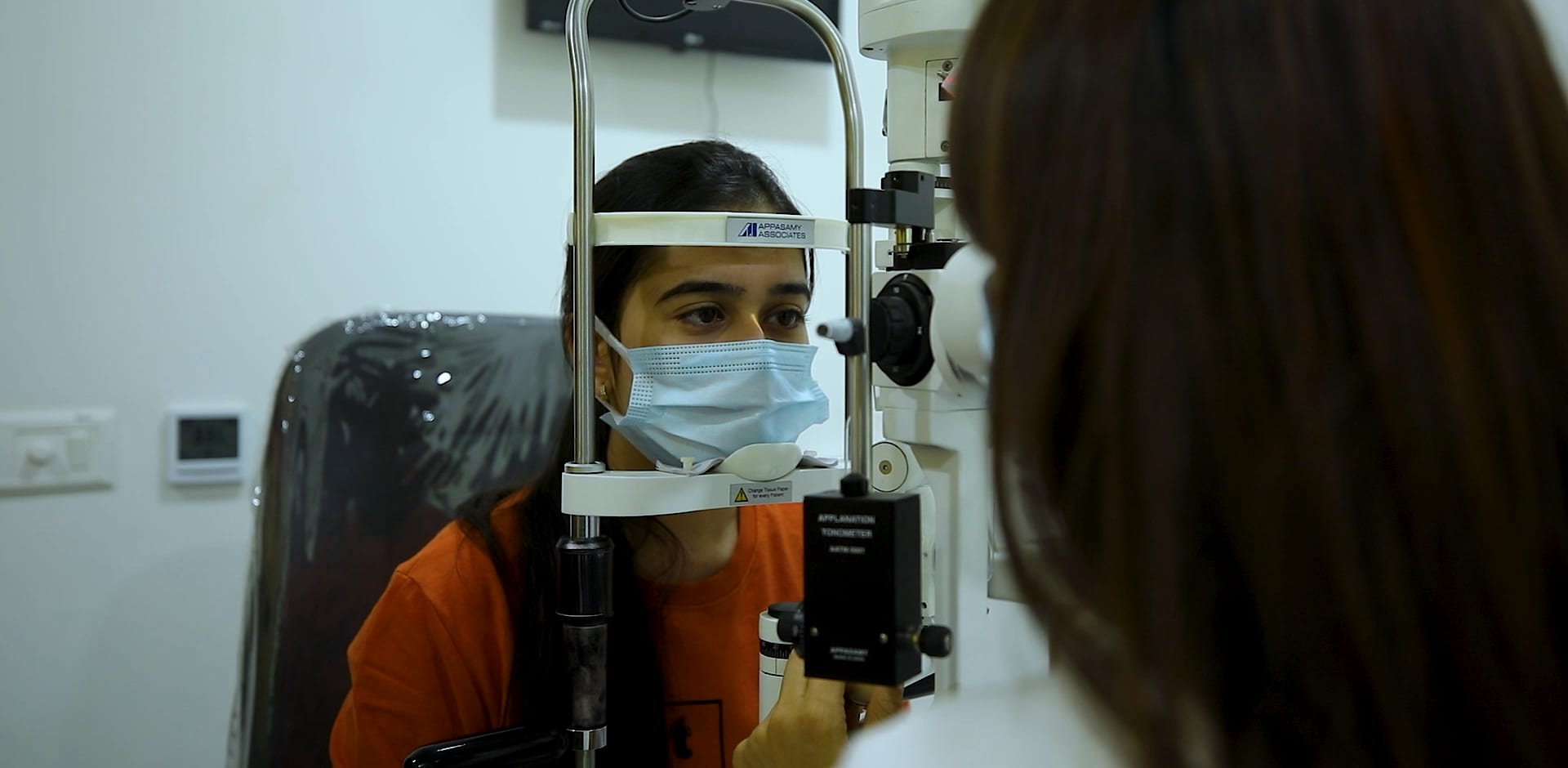
The pupils are widened with drops. We photograph the retina with a fundus camera, and scan it in cross-section with OCT, so that swelling and fluid show before they are felt. The picture is kept, so next year's can be set beside it.
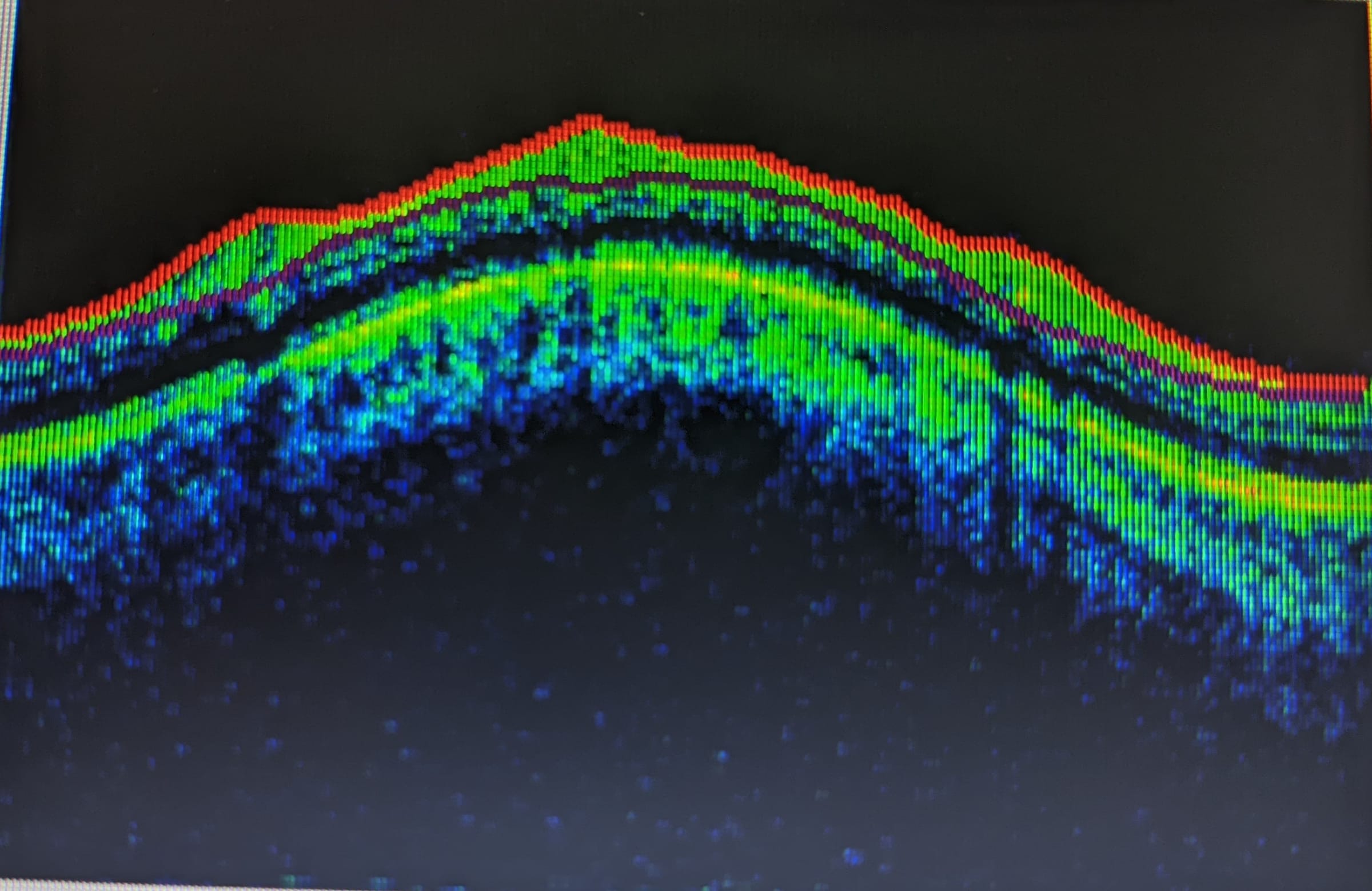
What can be done
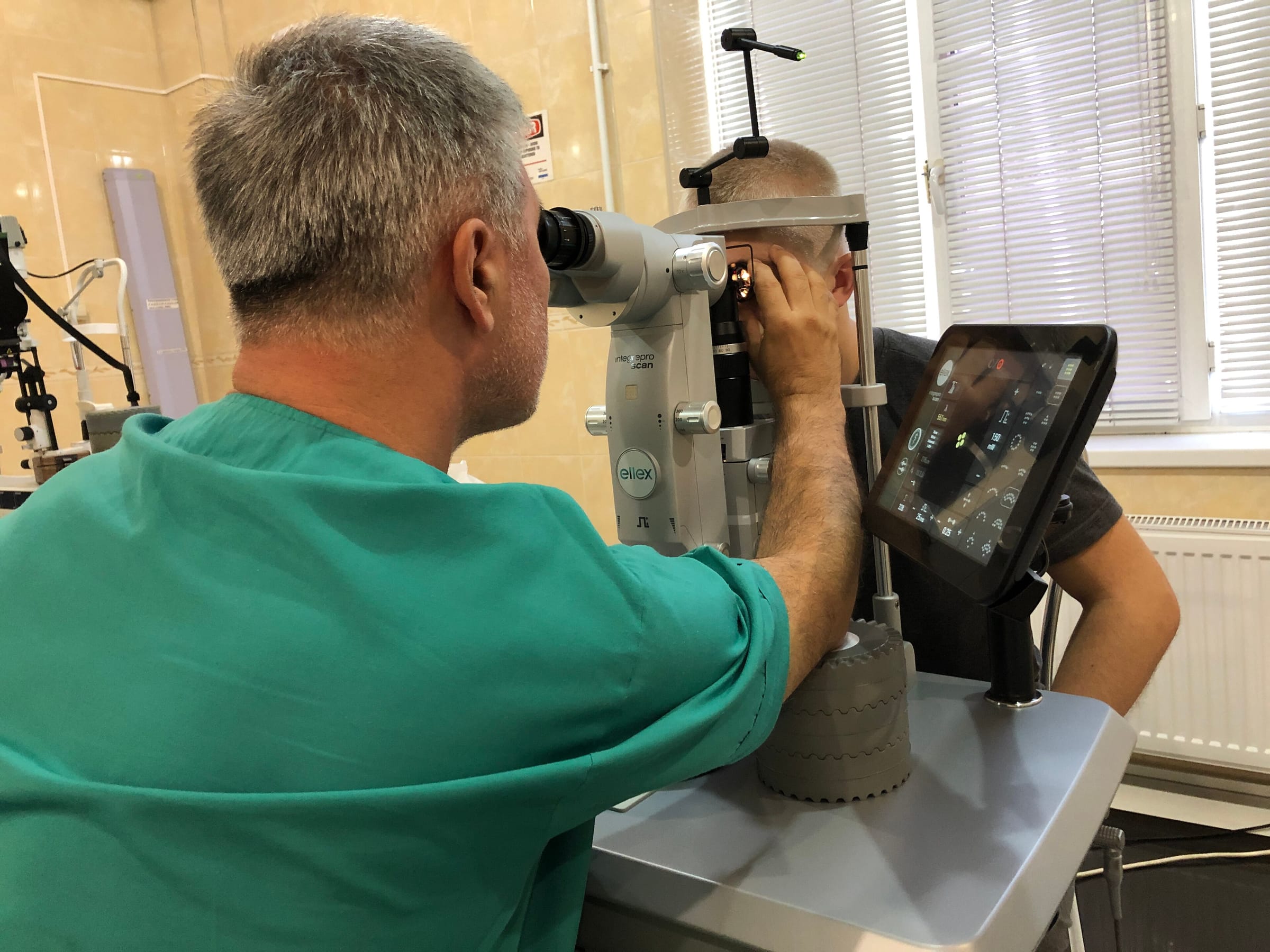
A green laser seals leaking vessels and quietens areas of the retina that have lost their blood supply. Some eyes need surgery, and uveitis, inflammation inside the eye, is treated medically. Good control of sugar and blood pressure protects the retina more than anything else we do.
If you have diabetes
Have the retina examined with the pupils dilated at least once a year, whatever your sight is like. More often if retinopathy has been found, or in pregnancy.
Do not wait. Flashes of light, a sudden shower of floaters, or a shadow across your vision need to be seen the same day.
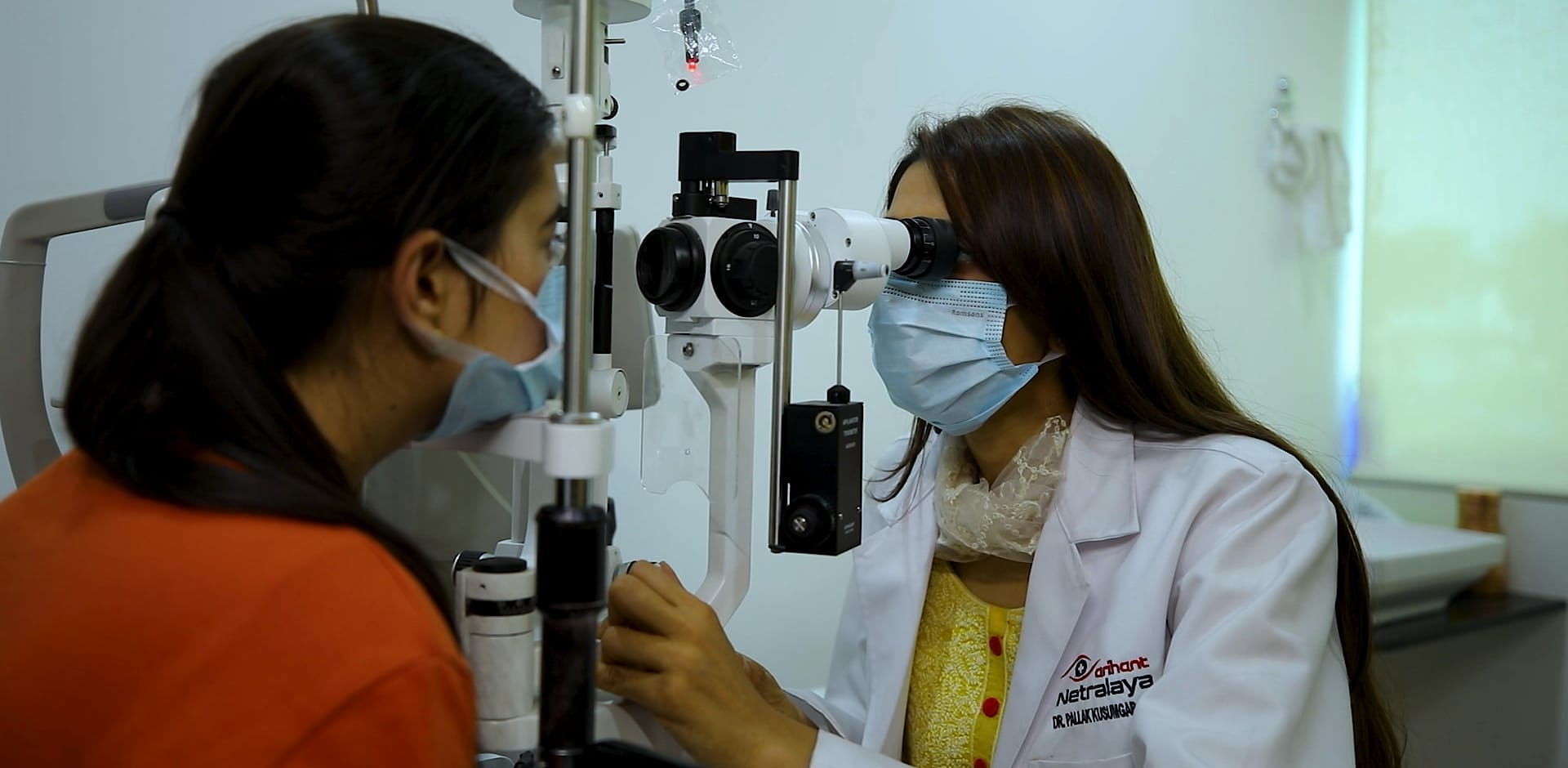
Retina clinic at Netralaya
Netralaya, at Netralaya. Fundus photography, OCT and green laser, under one roof.
- Fundus camera for a permanent photograph of the retina.
- OCT for a cross-section, in seconds, without touching the eye.
- Green laser for photocoagulation.
- A surgeon who also holds a fellowship in medical retina.
Keep reading.
Book an eye consultation.
Ask for a time, or leave your number and we will call you.
Or call 1800 210 0108, toll-free.
Quick answers.
I see well. Do I still need a retina check?
Yes, if you have diabetes. Retinopathy gives no warning in its early stages, and by the time sight blurs the aim is to save what is left.
Does the retina laser hurt?
It is done sitting at a laser, with numbing drops and a contact lens on the eye. There is no cut. Bright flashes and sometimes an ache are common.
Can lost retinal sight come back?
Often not, which is why early treatment matters. Treatment protects the sight that remains.
Pictures not taken by the hospital: Ktkvtsh, CC BY-SA 4.0, Wikimedia Commons · Bobjgalindo, CC BY-SA 4.0, Wikimedia Commons.