Mammography and breast imaging
Mammography is a low-dose X-ray of the breast, and it finds changes too small to feel. Ultrasound and MRI add to it when more is needed.
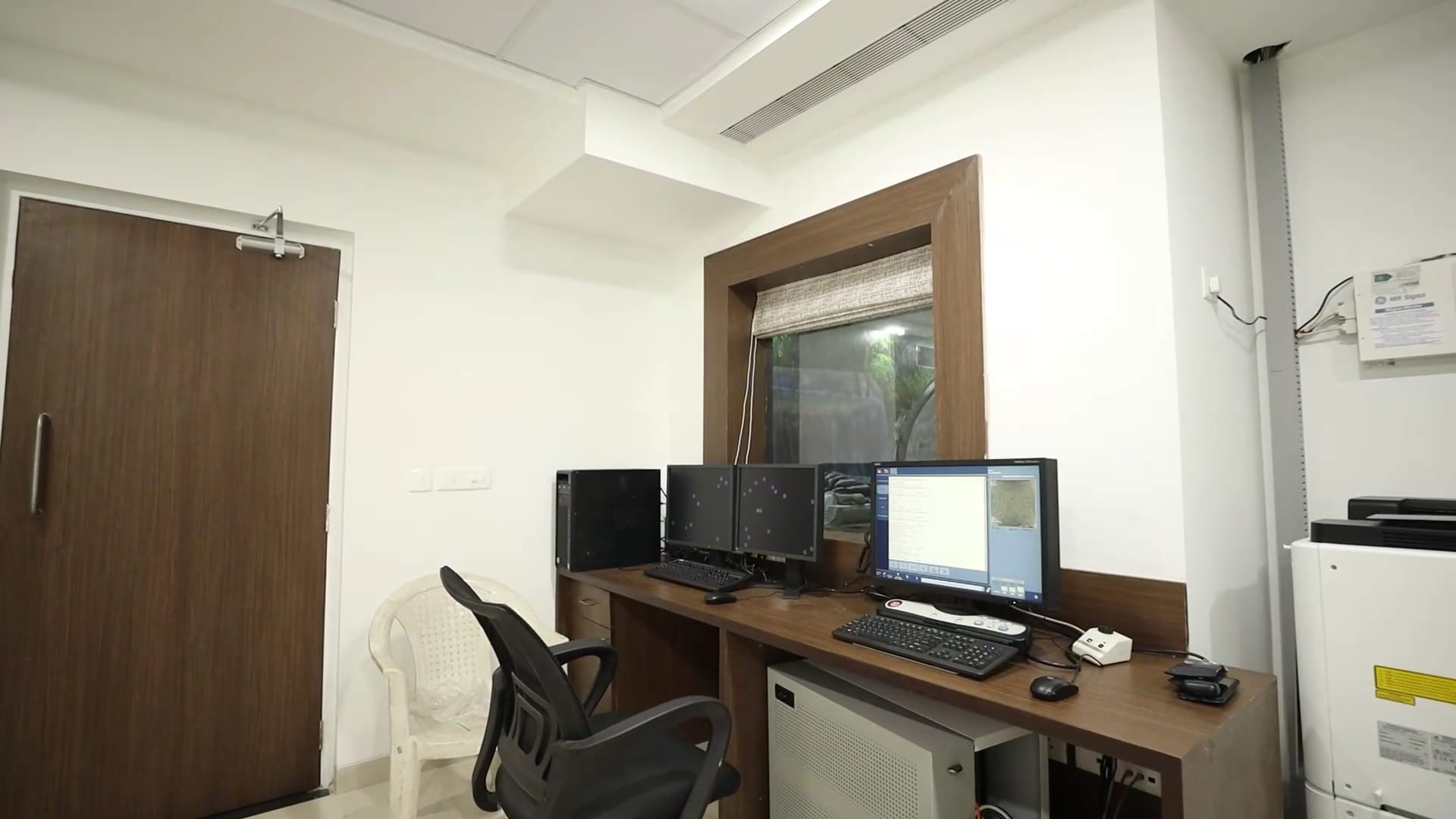
Finds changes too small to feel.
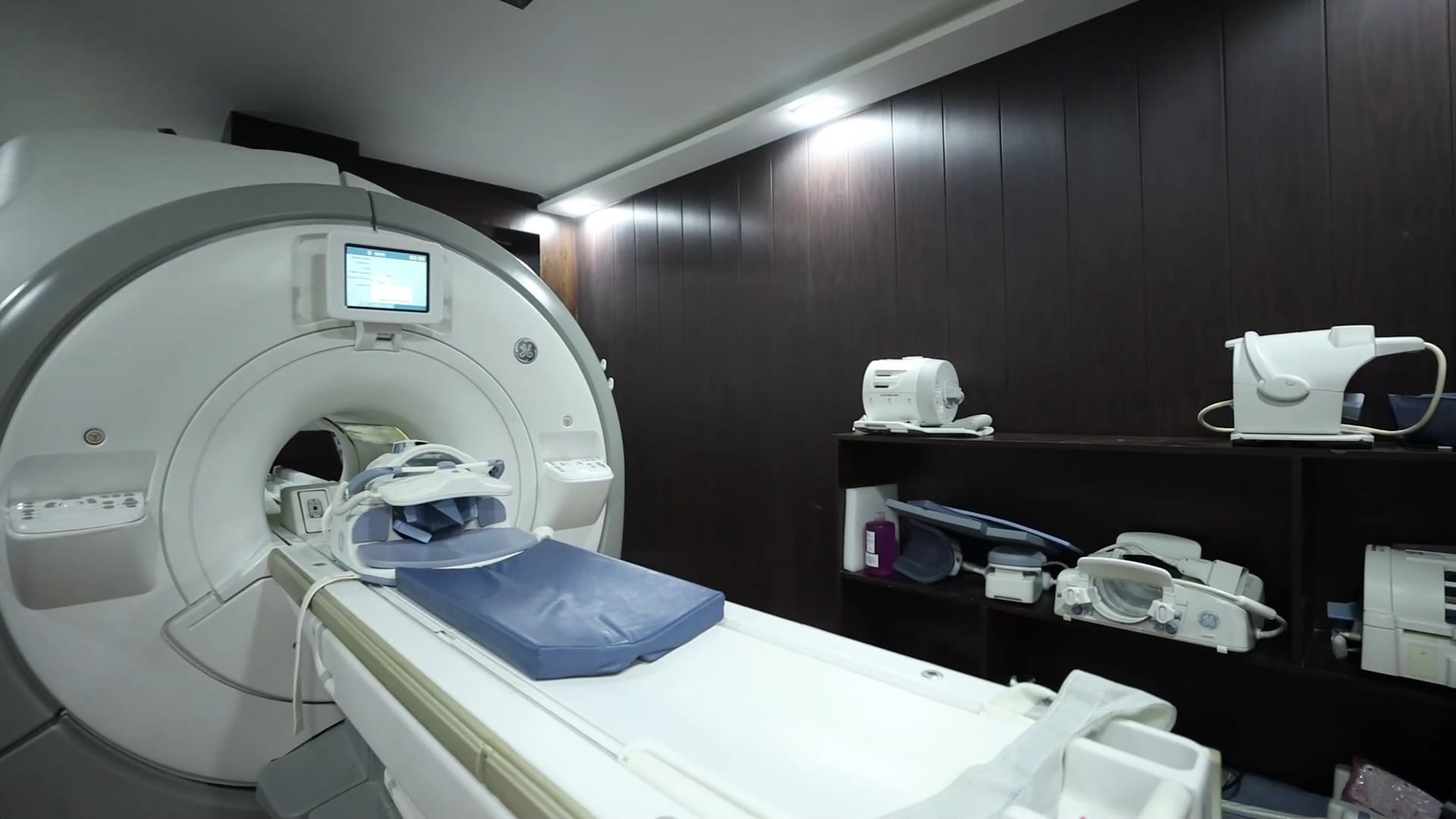
A dedicated breast coil for the 3 Tesla MRI.
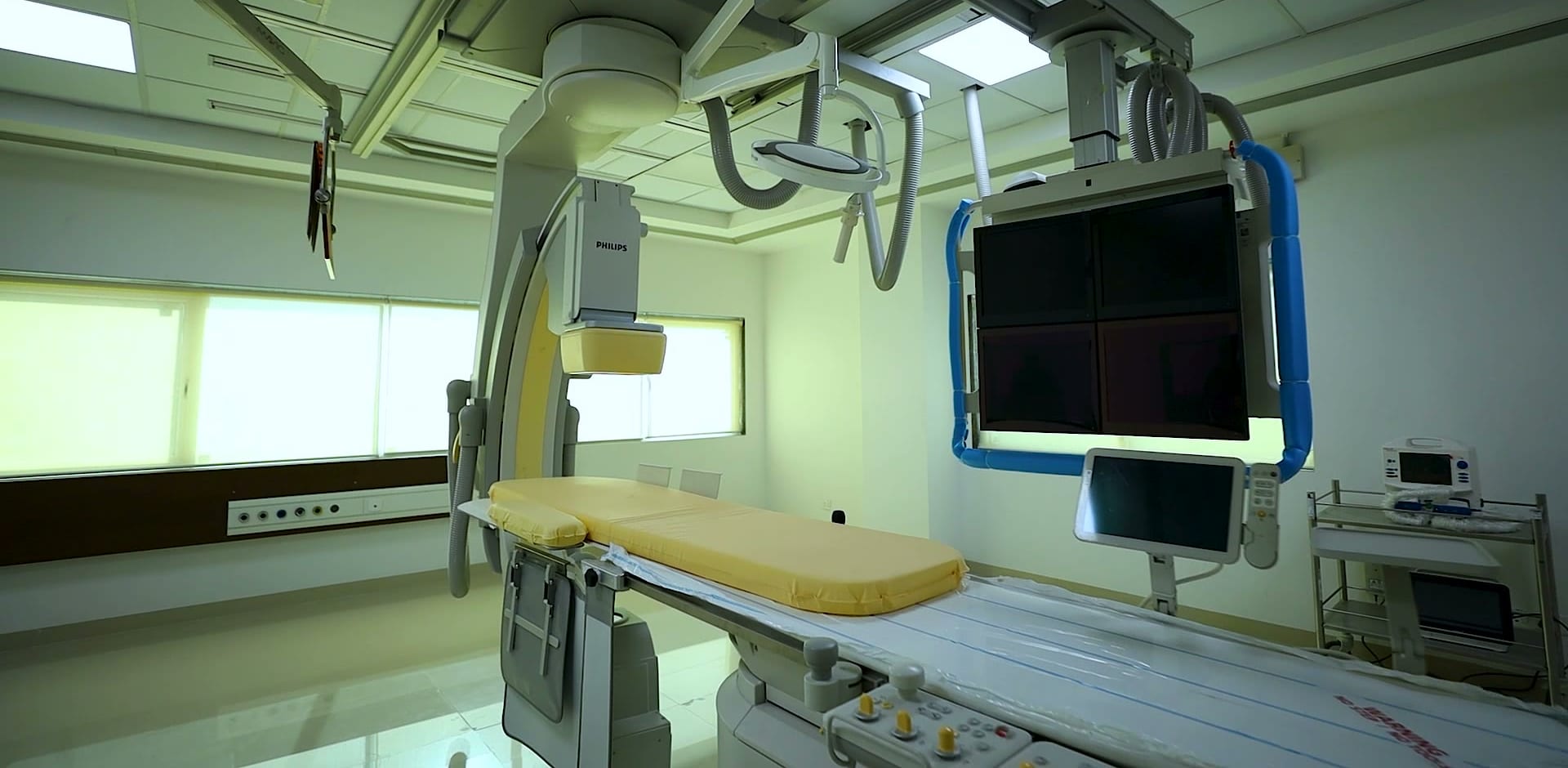
Biopsies are guided by imaging to the exact spot.
Three views of the breast
Mammography
A low-dose X-ray, the screening test. It finds changes too small to feel.
Ultrasound
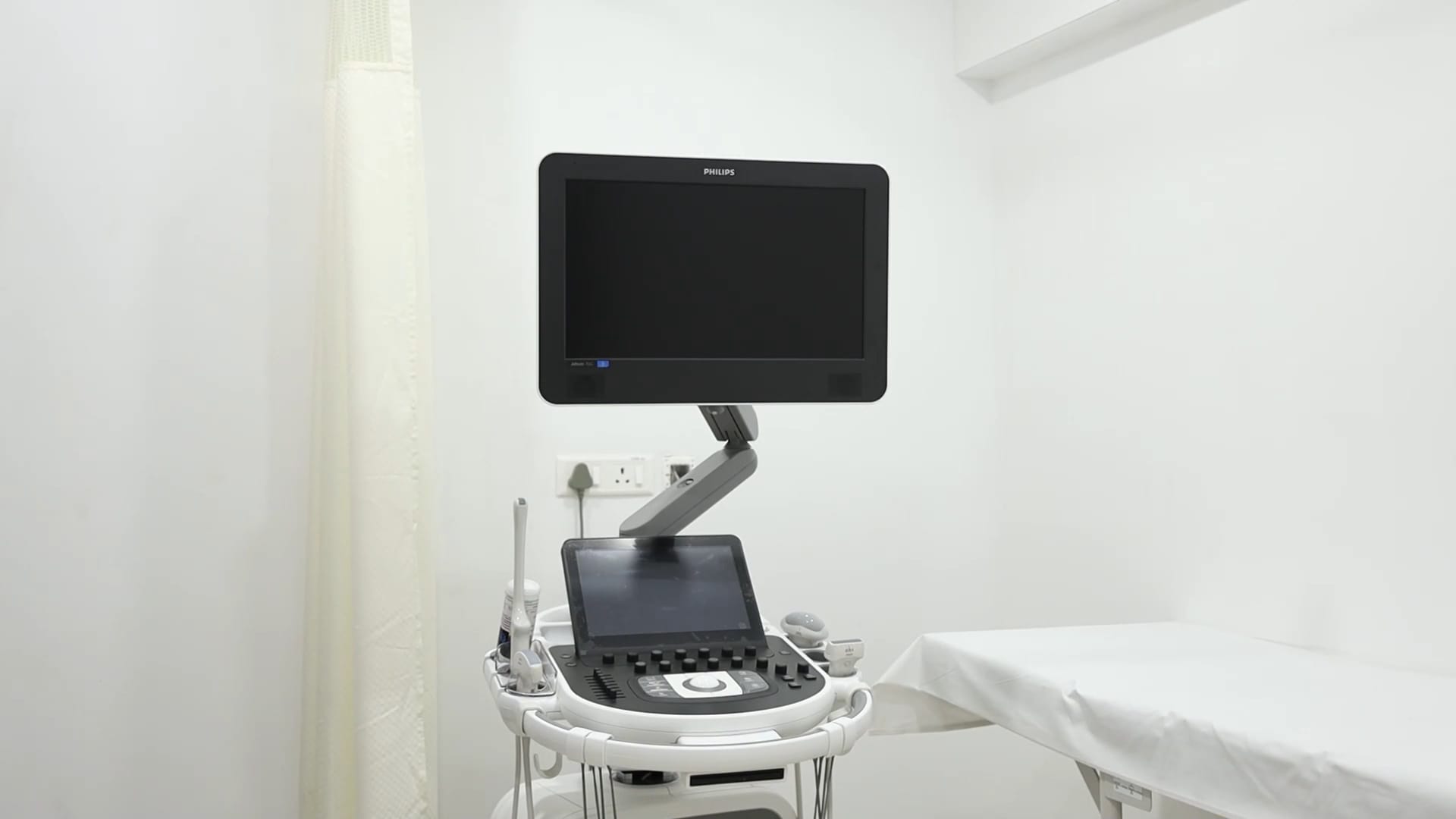
A second view, particularly in younger or denser breasts, and for a lump.
3T breast MRI
With a dedicated breast coil. Used in women at high risk, for a known cancer, or when the other scans are not enough.
What a mammogram is like
It takes about twenty minutes. The breast is pressed briefly between two plates, which is uncomfortable for a moment, and the pressure is what gives a clear picture with a low dose. Your doctor will say when screening should start for you.
If something is found
A biopsy takes the sample needed for a diagnosis. At Tesla it is guided by imaging to the exact spot. Reports are written by radiologists who read breast and body imaging, and say what a finding means for the next step.
Keep reading.
Book your scan.
Ask for a time, or leave your number and we will call you.
Or call 1800 210 0108, toll-free.
Quick answers.
Does a mammogram hurt?
It can be uncomfortable for a few seconds. It is quick, and the pressure is needed for a clear picture.
When should I start?
Your doctor will advise, according to your age and your risk. Do not wait for a lump.